

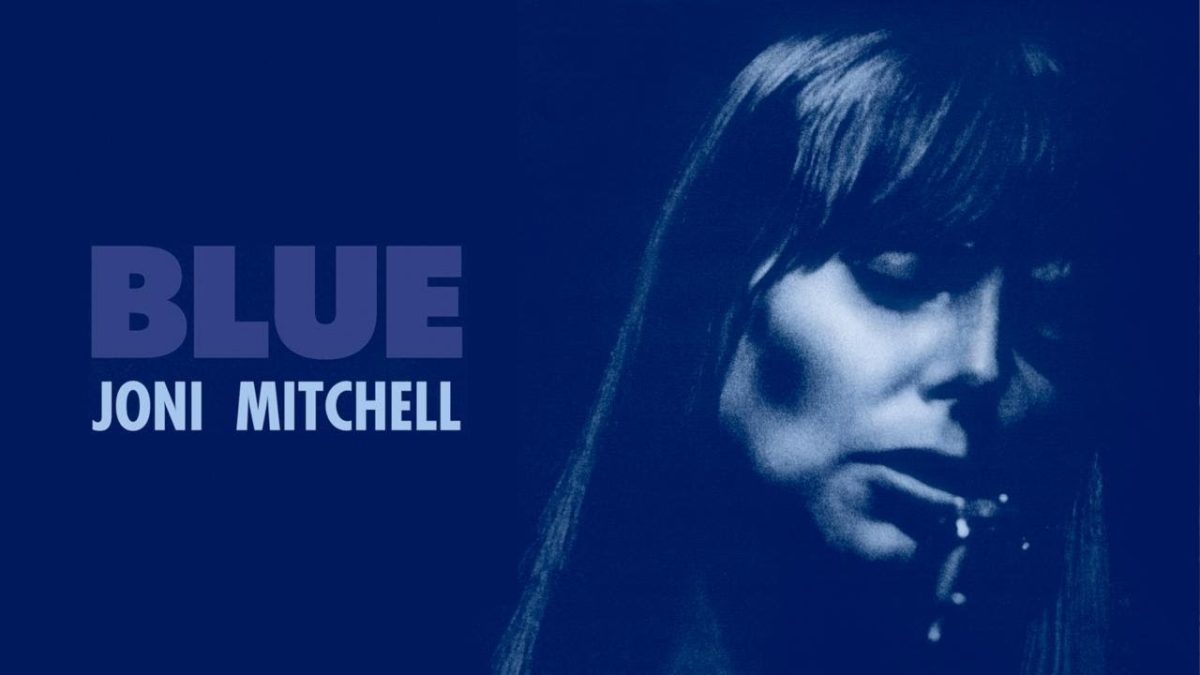
By the start of the ‘70s, people were tired of having to be so strong all the time. With the war in Vietnam still waging and the slow progress of the people’s protest movements, putting on a brave face became harder and harder. Though this sentiment was shared so broadly, many were afraid to confess it until Joni Mitchell’s “Blue” album was released on June 22, 1971.
“Blue” was not just the next folk album from the songbird Mitchell. It was a revolutionary act of emotional transparency that reshaped modern songwriting. In a musical world filled with masculine bravado, Mitchell’s soaring soprano and confessional writing struck a chord in the souls of so many.
Too many were too afraid to admit how tired they were of the fraying counterculture. They clutched an idealism that was growing all too thin. Mitchell cut through the fray and right to the heart, where it was just nice to hear someone else admit they weren’t okay.
As Mitchell said to Rolling Stone in 1979, “At that period in my life, I had no personal defenses. I felt like a cellophane wrapper on a pack of cigarettes. I felt like I had absolutely no secrets from the world, and I couldn’t pretend in my life to be strong.”
Other than grieving the lost idealism of her youth, Mitchell had just gotten out of a long-term relationship with Graham Nash and shorter entanglements with other artists, including Leonard Cohen and James Taylor. She speaks from the perspective of a woman who realizes the emptiness she feels will never go away, even if she’s in the arms of a person who promises to make it vanish. This realization makes her want to skate away, but she realizes her legs are too tired to go on.
Listening to “Blue” is like reading a friend’s diary that you found shoved under her mattress. With songs such as “A Case of You,” “River” and “California,” Mitchell shares details so niche, it’s relatable. The album’s themes of loneliness, longing or straight exhaustion show how those feelings pound at your brain until they cannot be denied any longer. The only way they subside is to let them out onto the page.
Her sparse arrangements filled with dulcimer, open tunings and stripped-down production emphasize the vulnerability and candor that the lyrics demand. Her composition allows few embellishments and therefore few defenses. “Blue” sounds fragile by design because it came from a woman and a time that felt so fragile itself.
Upon release, “Blue” received rave reviews that hailed Mitchell as the biggest female songwriter in honest art. She said the things everyone was thinking but was too scared to admit — words that once said, could never be taken back.
The album has been cited by Adele, Taylor Swift, Phoebe Bridgers and other modern musicians as one of their favorites. In a world where the tragic news of the day is one notification away, Mitchell’s confessions of fatigue are all the more relatable.
Mitchell allows modern listeners to sit with their discomfort and accept that this anxiety has existed before them and will exist without them. Mitchell doesn’t offer solutions; she offers honesty. Its beauty lies in its inability to be anything but purely human, and that kind of beauty lives on.