
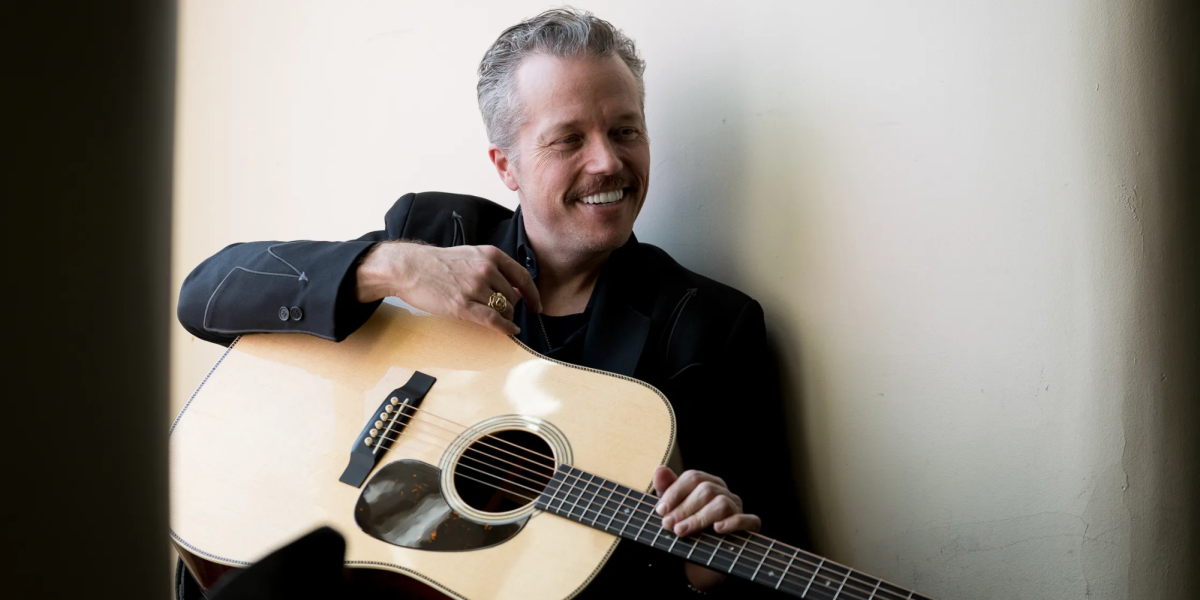
In early 2025, Jason Isbell released his solo album, “Foxes in the Snow.” It was a major departure from his previous albums as part of the Drive-By Truckers or accompanied by the 400 Unit band.
It was simply Isbell, his Martin 0-17 guitar and a notebook in the studio.
This album introduced a more raw, unshielded view of Isbell grappling with his recent divorce from fellow musician Amanda Shires. Songs such as “Eileen” and “Gravelweed” reflect on his failing relationship and the little signs he noticed on the way to the end. The stripped-back sound of the album, along with Isbell’s powerful vocals, evokes feelings of profound longing for something that could never be.
The album then shifts forward, moving into a place of healing with songs like “Open and Close” and “Crimson and Clay.” His songs are honest. The past hurts, but he knows he has to move on.
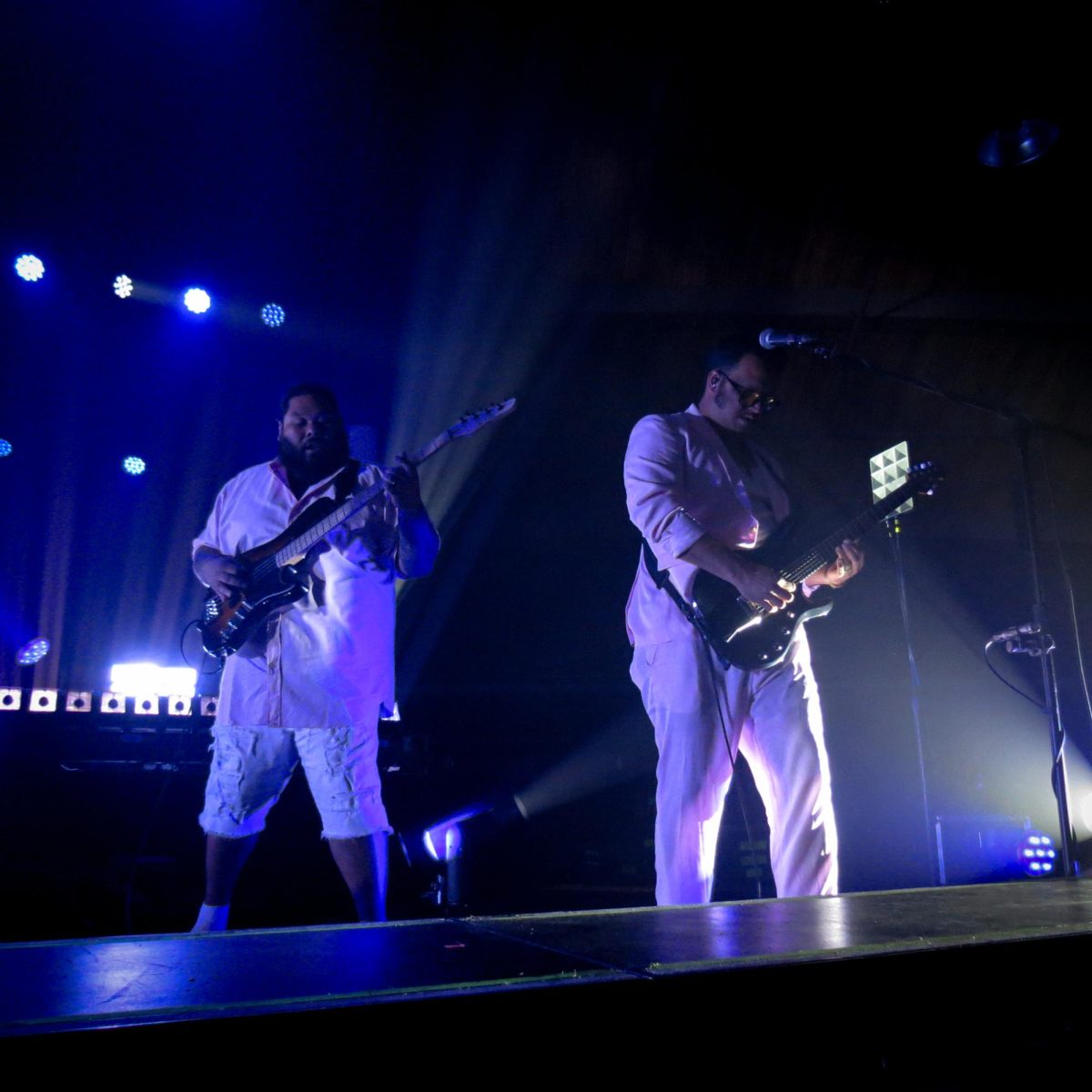
While Isbell still tours alongside the 400 Unit, this recent release sparked a tour of solo shows in grand concert halls. The Hylton Performing Arts Center in Manassas, Virginia, is no exception.
The grandeur of a refined concert hall contrasted poignantly with the lone chair poised in the center of the stage.
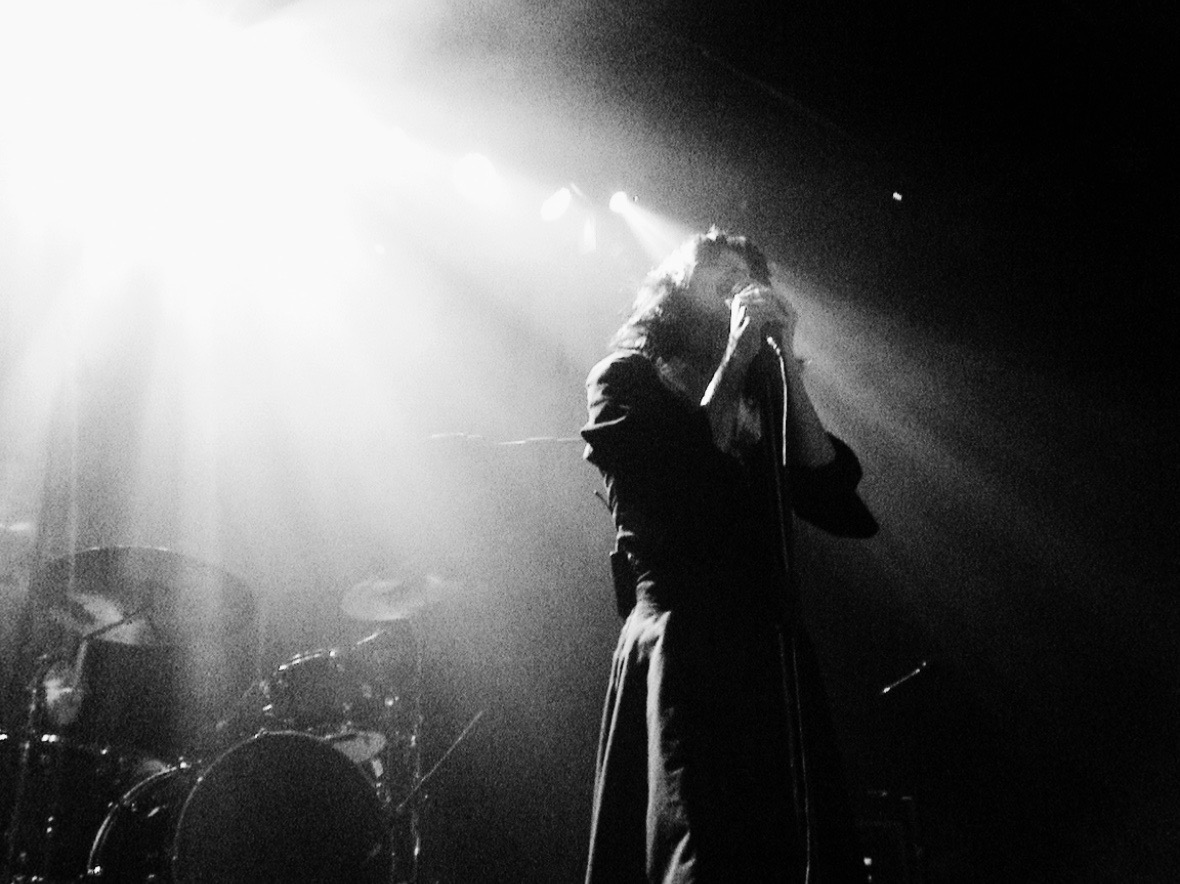
Despite the small set, when Isbell took the stage, his presence filled the room.
From the first note of “Only Children” off of an older 400 Unit album, you could tell Isbell was giving this night all he had. From where I was seated in the orchestra, he barely needed the microphone. His voice charged through the audience, followed by the smooth plucking of his mahogany guitar.
As the set continued, Isbell kept up a one-sided banter with the audience. He told stories about the amazing musicians he was friends with and memories from past shows. Including a loving joke about John Prine’s inability to cover “Cigarettes and Wine” due to Gitsemanie being too hard of a tongue twister.
He punctuated each story with a related song. Playing Prine’s “Storm Windows” and Todd Snider’s “Play Me a Train Song” on a whim.
“What the hell, I guess I need to play ‘Outfit’ now,” followed his story of a heckler who shoved his way to the front while begging Isbell to play said song.
The setlist itself was a blend of songs across his entire discography. He played deep cuts from his early days, such as “The Magician” or “Alabama Pines,” but now with a raw acoustic retouch. Isbell sprinkled in some of his more popular songs into the mix along with new tracks off of “Foxes in the Snow.” Both newer and hardcore Isbell fans got a real treat.
While his songs tend to deal with the heartbreaks and hardships of his personal life, many also serve as critiques of American culture and how its reality is often ignored in the country genre. With “Crimson and Clay” speaking returning to his home in rural Alabama, noticing how the comforts of his family and traditions contrast so starkly with the inability of the ones he loves to change.
“Cast Iron Skillet” further explores outdated beliefs of race and unhealed grief from small-town tragedies. Again, these motifs are presented alongside simple southern advice such as to “[not] wash a cast iron skillet” or to “not ask questions, just believe it.” Isbell reminds us that nostalgia can hide the hate seeded deep between pleasant memories that we need to weed out from our lives.
He ended the main set with “If We Were Vampires,” which I believe is one of the most beautiful love songs ever written. He sings about a wish to grow old with a partner without having to worry about the inevitable ending when one eventually has to go.
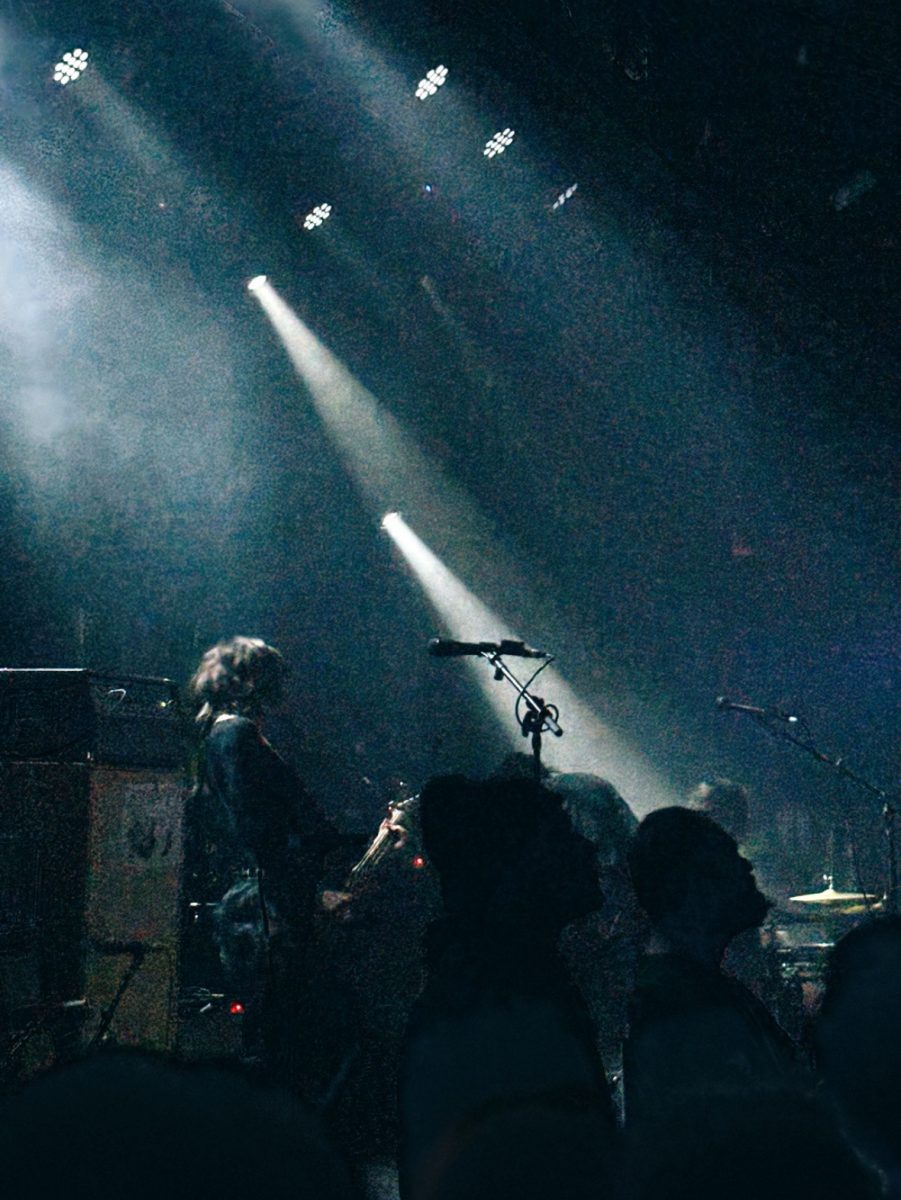
The audience was set ablaze by the finale, warranting a multiple-minute-long cheer for an encore. Every patron in the venue was on their feet, clapping and chanting for Isbell to take the stage again.
The encore did not disappoint.
He played three songs to end the night: “Relatively Easy,” Todd Snider’s aforementioned “Play Me a Train Song,” and “Cover Me Up.” Some may be familiar with that final song as it has become a staple in many country artists’ sets, such as Morgan Wallen or the Zac Brown Band. None holds a candle to hearing Isbell sing it live.
The lyrics about fighting for his love and sobriety gain new weight when the man who penned them is belting out his chorus 30 feet in front of you.
In a time where darkness can seem overwhelming and hope is just a fleeting sensation, artists like Isbell remind us it’s okay to have negative emotions. It’s okay to be angry and confused, but we need to find a way to harness those emotions and move forward to better days.
And what better reminder is there but a man with a guitar, begging the world to listen?